
Defining the Modern Lifestyle: Synonyms, Nuances, and Contemporary Living
“Discover the rich spectrum of any lifestyle synonym, exploring the history, psychology, and philosophy behind way of life, ethos, routine, and intentional living.”

Language is a living mirror of societal evolution, and few terms have experienced as profound an expansion in scope and cultural resonance as the word lifestyle. Once confined to sociological treatises describing observable demographic patterns, the concept has blossomed into a ubiquitous descriptor for personal identity, philosophical prioritization, aesthetic curation, and mindful daily ritual. Understanding the nuanced spectrum of any lifestyle synonym reveals how contemporary individuals actively negotiate the delicate balance between external professional ambition and the deliberate art of meaningful, fulfilling existence.
The Lexical Genesis: From Adlerian Psychology to Modern Lexicon
The emergence of lifestyle as an analytical concept dates back to the pioneering psychoanalytic theories of Alfred Adler in the early twentieth century. Adler introduced the formulation to capture an individual's fundamental approach to social problem-solving, communal belonging, and personal striving. Over subsequent decades, sociologists expanded this definition to encompass the distinctive consumption habits, leisure activities, and behavioral norms that demarcate various cultural strata within industrialized societies.
In contemporary parlance, the term has transcended its academic origins to become an essential touchstone of popular culture. When speakers seek an appropriate lifestyle synonym, they are rarely searching for a sterile linguistic replacement; instead, they are looking for evocative terminology that conveys intentionality, philosophical discipline, or aesthetic refinement. Whether expressed through the language of wellness, minimalist simplicity, or cosmopolitan sophistication, the vocabulary we choose to describe our routines fundamentally shapes the psychological reality of our daily lives.
Foundational Alternatives: Way of Life, Mode of Living, and Habitus
Among the most venerable linguistic alternatives, the phrase way of life conveys a deep sense of cultural heritage, communal tradition, and holistic coherence. While lifestyle can occasionally carry commercialized connotations of trend-chasing or ephemeral consumer branding, a way of life denotes deeply internalized values that withstand the fleeting tides of cultural fashion. It describes an integrated worldview where spiritual philosophy, domestic arrangement, and vocational endeavor exist in harmonious equilibrium.
Similarly, mode of living provides a formal, dignified cadence suitable for philosophical discourse and legal or economic documentation. In sociocritical theory, the concept of habitus—popularized by French sociologist Pierre Bourdieu—delves even deeper, analyzing the ingrained dispositions, tastes, and unconscious habits that individuals acquire through their social upbringing. These precise linguistic distinctions remind us that how one conducts daily affairs is an outward manifestation of deeply rooted psychological conditioning and cultural affiliation.
The Architecture of Habit: Routine, Regimen, and Rhythm
When examining the practical, operational mechanics of daily existence, words like routine, regimen, and cadence serve as functional synonyms that emphasize discipline, structural regularity, and intentional productivity. A daily regimen suggests rigorous dedication to physical vitality, cognitive clarity, and focused athletic or intellectual training. It transforms abstract aspirations of wellness into concrete, non-negotiable temporal blocks dedicated to self-actualization and personal mastery.
Conversely, terms such as rhythm and cadence evoke a more organic, fluid approach to temporal management. Rather than rigid mechanical adherence to clock time, living in rhythm implies harmony with circadian biology, seasonal shifts, and periods of creative incubation balanced against rigorous vocational exertion. By adopting this musical vocabulary, modern thinkers distinguish between mere task-oriented productivity and a truly sustainable, life-affirming pattern of existence that nurtures both mental stamina and emotional tranquility.
Aesthetic and Cultural Resonance: Ethos, Milieu, and Sensibility
In the realm of design, interior architecture, and contemporary tastemaking, lifestyle frequently intersects with terms such as ethos, milieu, and aesthetic sensibility. The ethos of an individual or collective community speaks to its overarching moral spirit, guiding principles, and underlying character. It explains why certain communities gravitate toward regenerative rural homesteading and sustainable ecology, while others flourish within the kinetic, architectural density of metropolitan capitals.
Furthermore, exploring one's milieu acknowledges the profound environmental impact that physical surroundings, social company, and architectural spaces exert upon human consciousness. Just as leading figures across cinema cultivate a distinctive artistic presence through their chosen creative circles, everyday individuals curate their personal milieus through mindful literature, art, and inspiring human connection. In modern colloquial culture, terms like vibe or aesthetic serve as shorthand expressions for these intricate, atmospheric environments.
The Philosophy of Intentional Living: Curation and Purpose
Ultimately, the search for a meaningful lifestyle synonym reflects a widespread cultural yearning for intentional living. In an era saturated with algorithmic distractions, digital notification fatigue, and relentless commercial pressures, modern society is actively rediscovering the ancient philosophical truth that an unexamined life lacks authentic fulfillment. Whether one designates their journey as an intentional path, a contemplative practice, or a cultivated art of living, the central objective remains identical: consciously designing one's days around purpose, presence, and genuine connection.
By expanding our vocabulary to encompass the full richness of human experience, we empower ourselves to articulate who we are and who we aspire to become. The words we choose to describe our existence are not merely passive reflections of reality; they are the active blueprints with which we construct a life of enduring grace, emotional resilience, and profound personal significance.

Julian Vance-Moreau
Executive Editor-at-Large covering central bank bullion, high-horology, and sovereign wealth portfolios across Zurich, London, and Dubai.
Related Intelligence in Culture & Lifestyle
View Category →
Inside the Life and Legacy of Robert De Niro and His Children
Explore the private family life of Robert De Niro and his seven children, spanning fifty-two years of fatherhood, individual passions, and enduring parental wisdom.
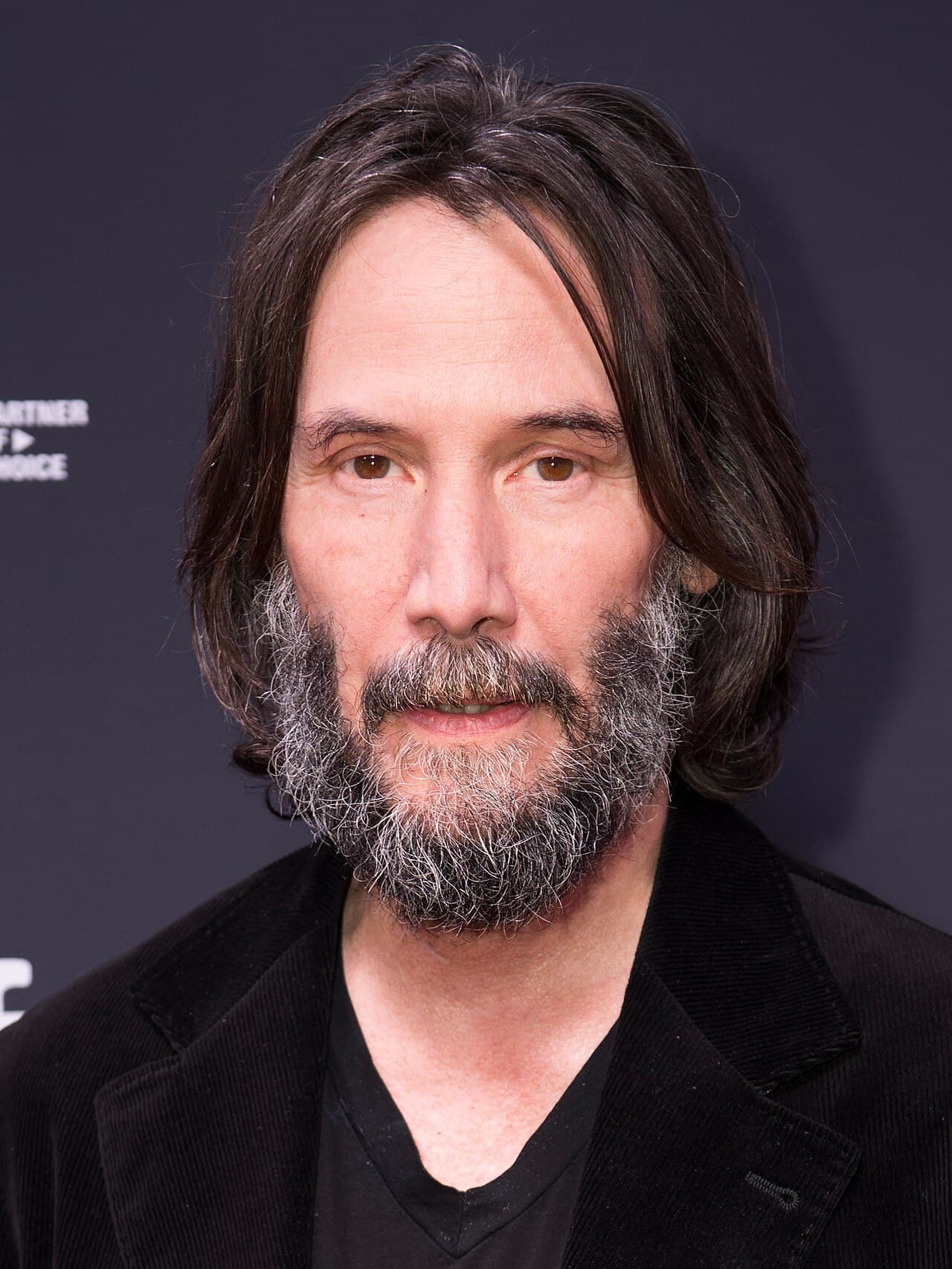
How Old Is Keanu Reeves? The Ageless Hollywood Star and Action Cinema Legend
Discover how old Keanu Reeves is, his remarkable four-decade cinema career, relentless tactical stunt training in John Wick, and his reputation as Hollywood’s ultimate gentleman.
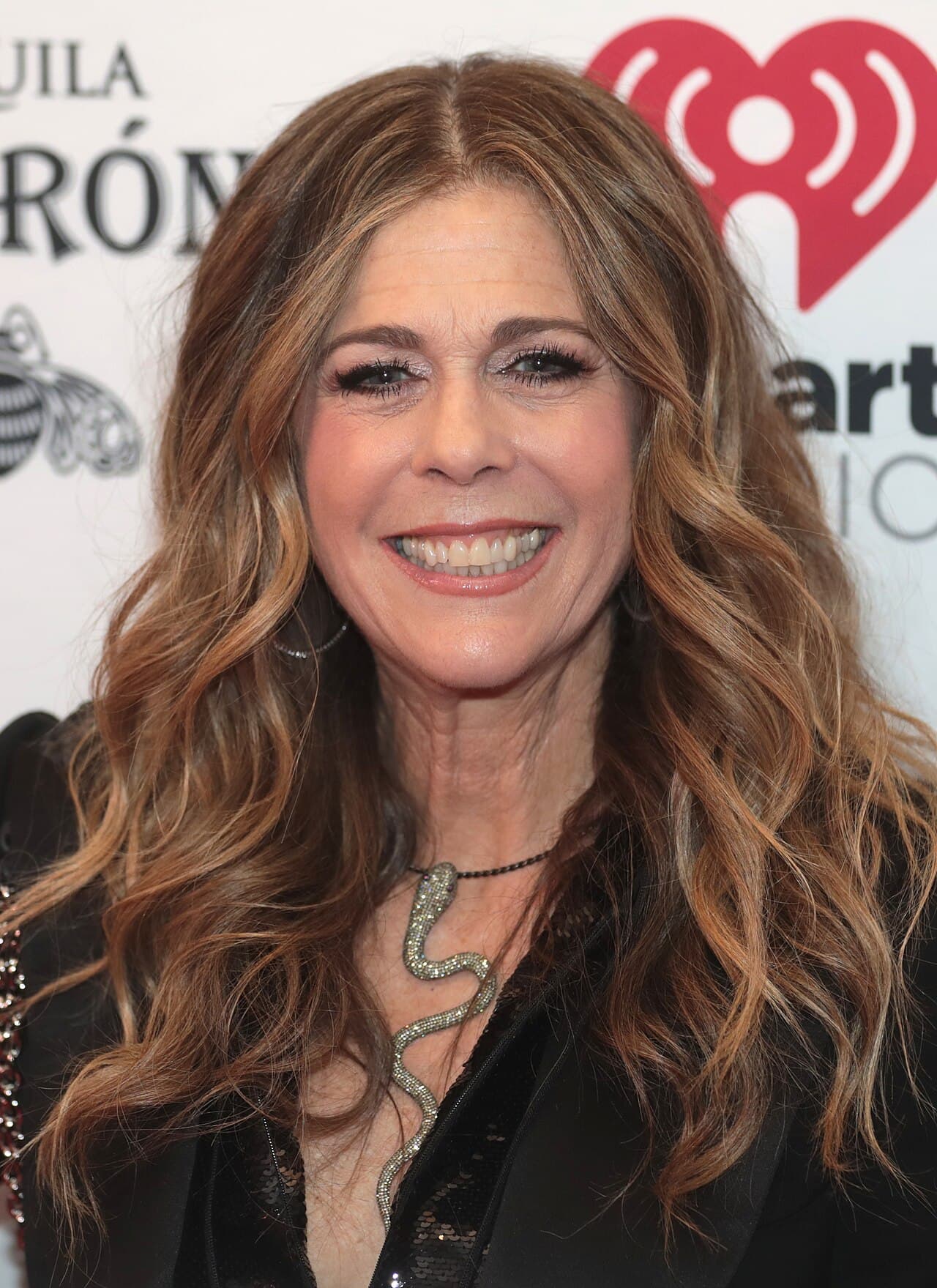
The Enduring Love Story of Tom Hanks and Rita Wilson: Hollywood's Most Resilient Partnership
Discover the inspiring four-decade marriage of Tom Hanks and his wife Rita Wilson, from television beginnings to creative triumphs and surviving life’s greatest trials.