
The Definitive Guide to Leonardo DiCaprio Movies: Cinema, Craft, and Cultural Impact
“From early breakout indie dramas to iconic Scorsese collaborations and Academy Award triumph, explore the cinematic evolution and cultural legacy of Leonardo DiCaprio movies.”
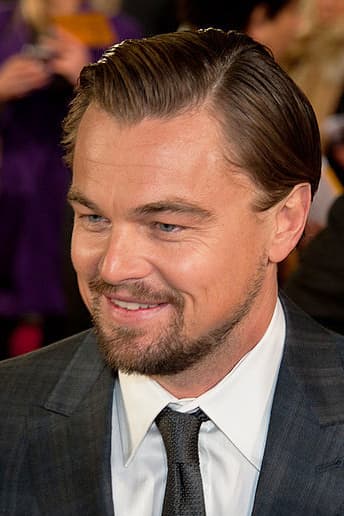
Leonardo DiCaprio occupies a singular, almost mythical position in contemporary global cinema. While the modern Hollywood studio ecosystem has increasingly pivoted toward interchangeable superhero intellectual property and algorithmically generated streaming fodder, DiCaprio has remained the steadfast guardian of the mid-budget, auteur-driven dramatic masterwork. Over a career spanning more than three decades, his filmography serves as an architectural blueprint for how an actor can command undeniable global box office power while refusing to compromise on narrative grit, psychological nuance, and thematic complexity.
The Formative Era: Defying Early Stereotypes Through Gritty Independents
Long before international adulation cemented his status as a worldwide phenomenon, DiCaprio deliberately sought out complex, fragmented characters that ran counter to conventional leading-man expectations. His breakthrough opposite Robert De Niro in This Boy's Life showcased a performer unafraid of vulnerability, defiance, and visceral domestic tension. Rather than capitalizing on his boyish charm with lightweight studio comedies, he immediately embraced the daunting challenge of What's Eating Gilbert Grape, delivering a performance of such heartbreaking authenticity and neurological nuance that it earned him his first Academy Award nomination at just nineteen years of age.
Throughout the mid-1990s, DiCaprio continued to calibrate his artistic trajectory with deliberate precision. In The Basketball Diaries, he fearlessly plunged into the raw, unvarnished descent of poet Jim Carroll, navigating addiction and emotional alienation on the streets of New York. His subsequent collaboration with Baz Luhrmann in Romeo + Juliet reimagined Shakespearean verse with vibrant postmodern energy, proving that high culture and kinetic youth rebellion could coexist seamlessly. By the time James Cameron selected him for Titanic, DiCaprio had already constructed a formidable dramatic foundation that prepared him for the unprecedented cultural shockwave that followed.
The Post-Titanic Paradigm: Resisting the Franchise Trap
When Titanic shattered worldwide box office records and dominated international culture in 1997, it placed DiCaprio in a precarious professional juncture. Lesser performers might have succumbed to lucrative multi-picture franchise contracts or safe romantic comedy roles. Instead, DiCaprio exercised immense patience, taking deliberate hiatuses and choosing directors whose creative visions demanded intellectual rigor. His collaboration with Danny Boyle on The Beach explored utopian disillusionment and tourist imperialism, marking an intentional departure from traditional studio polish.
Shortly thereafter, Steven Spielberg tapped DiCaprio for Catch Me If You Can, a light-footed yet melancholy exploration of identity, paternal yearning, and deceptive mid-century glamour. Working alongside Tom Hanks and Christopher Walken, DiCaprio imbued the real-life counterfeiter Frank Abagnale Jr. with profound pathos beneath an infectious charismatic facade. This period established his core creative ethos: choosing ambitious character portraits that examined the tension between public personas and private frailty, sustaining a standard of cinematic excellence that prioritizes long-term career longevity over ephemeral studio trends.
During this critical decade of transformation, critics noted how DiCaprio treated stardom not as an end in itself, but as financial capital to greenlight risky, non-formulaic cinema. By refusing long-term studio tie-ins, he maintained total autonomy over his release schedule, ensuring that every project bearing his name felt like an unmissable cinematic event rather than commercial routine.
The Scorsese Alliance: Redefining Modern American Cinema
No discussion of Leonardo DiCaprio movies can be complete without examining his historic partnership with Martin Scorsese, a director-actor kinship that echoes the golden age of American filmmaking. Beginning with Gangs of New York in 2002, Scorsese recognized in DiCaprio a hunger for moral interrogation and intense physical dedication. In The Aviator, DiCaprio gave life to Howard Hughes, navigating the eccentric aviation pioneer's brilliant industrial innovations alongside his harrowing descent into obsessive-compulsive isolation.
Their creative zenith crystallized in The Departed, an unrelenting Boston crime saga where DiCaprio portrayed undercover state trooper Billy Costigan. The role required a suffocating psychological intensity, capturing a man slowly disintegrating under the crushing weight of dual identities and constant paranoia. Their subsequent collaborations in Shutter Island and The Wolf of Wall Street pushed aesthetic boundaries even further. In Jordan Belfort, DiCaprio unleashed an electrifying, unhinged satire of American financial excess, creating one of the most audacious, darkly comic character portraits ever committed to modern celluloid.
Extreme Physical Immersion: The Road to The Revenant
As his career matured, DiCaprio became synonymous with profound physical immersion and grueling on-location authenticity. In Christopher Nolan's Inception, he grounded high-concept metaphysical dream architecture with raw emotional grief as Dom Cobb, guiding international audiences through mind-bending conceptual worlds without losing the character's tragic emotional anchor. Later, in Quentin Tarantino’s Django Unchained, his magnetic and terrifying portrayal of the monstrous plantation owner Calvin Candie culminated in a now-legendary moment where he cut his hand on real glass during a take and integrated the genuine injury into the scene.
This unrelenting physical commitment reached its absolute culmination in Alejandro González Iñárritu’s The Revenant. Filming exclusively in remote sub-zero Canadian and Argentinian wilderness under natural light, DiCaprio endured hypothermic river plunges, ate raw bison liver, and communicated primarily through guttural breathing and physical endurance. The performance earned him universal critical acclaim and the coveted Academy Award for Best Actor, proving that authentic physical dedication remains the bedrock of great screen acting.
Contemporary Mastery and the Future of Pure Cinema
In recent years, DiCaprio has embraced the reality of aging on screen with remarkable grace and artistic vulnerability. His portrayal of washed-up television actor Rick Dalton in Once Upon a Time in Hollywood balanced hilarious insecurity with profound professional melancholy, earning another Oscar nomination for its touching exploration of obsolescence. Much like the magnetic presence that defined the golden era of Hollywood leading stars, DiCaprio has proven that genuine star appeal deepens with generational maturity. Most recently, his complex turn as Ernest Burkhart in Scorsese’s Killers of the Flower Moon demonstrated an actor fearless in portraying spineless moral complicity and greed.
Ultimately, Leonardo DiCaprio movies represent far more than individual box office triumphs; they symbolize a sovereign standard of cinematic preservation. By maintaining an unshakeable allegiance to theatrical exhibition, master directors, and profound storytelling, DiCaprio continues to prove that genuine star power stems not from omnipresence on social feeds, but from the singular magic of uncompromised big-screen artistry.

Julian Vance-Moreau
Executive Editor-at-Large covering central bank bullion, high-horology, and sovereign wealth portfolios across Zurich, London, and Dubai.
Related Intelligence in Features & Cover Stories
View Category →
Mastering the Screen: The Most Iconic Denzel Washington Movies Ranked and Analyzed
Explore the definitive cinematic retrospective of Denzel Washington movies, from Academy Award triumphs in Glory and Training Day to August Wilson adaptations and peerless dramatic authority.