
How Old Is Tom Cruise? The Ageless Hollywood Star and Box Office Titan
“Exploring Tom Cruise’s age, ageless physical discipline, record-breaking box office run, and why he remains the ultimate defender of the big-screen movie experience.”
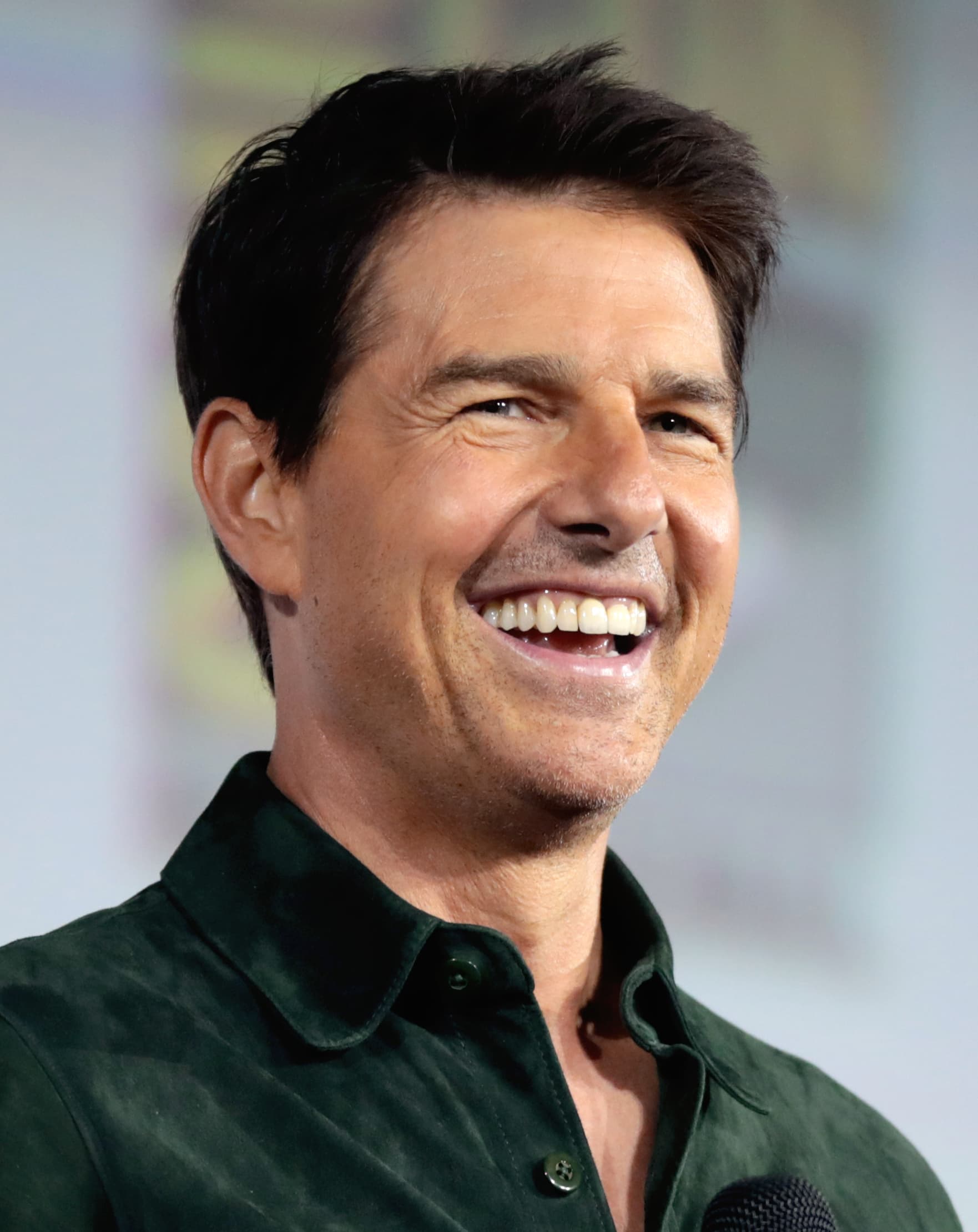
When global moviegoers ask how old Tom Cruise is, the inquiry rarely stems from mere celebrity curiosity. Instead, it reflects a universal sense of disbelief. In an entertainment landscape where action heroes typically hand over stunt harnesses to CGI digital doubles well before their fifties, Cruise continues to sprint across cinema screens, scale soaring skyscrapers, and pilot supersonic fighter jets with the vigor of an athlete in peak physical conditioning.
Chronological Reality: The Milestones Behind the Legend
To answer the core factual question directly: Tom Cruise was born on July 3, 1962, in Syracuse, New York, making him sixty-four years of age. Having launched his cinematic career in the early 1980s with breakout roles in Endless Love, Taps, and the era-defining Risky Business, Cruise has maintained an unbroken streak of top-tier Hollywood leading-man status for over four decades. While most of his generational peers have transitioned into advisory character cameos, supporting roles, or semi-retirement, Cruise remains the undisputed heavyweight champion of the global box office.
The true cultural significance of his age became an international conversation with the historic release of Top Gun: Maverick in 2022. Premiering thirty-six years after the original Top Gun propelled him into global superstardom, the sequel grossed nearly one and a half billion dollars worldwide. Legendary director Steven Spielberg famously credited Cruise with saving the theatrical movie distribution model following worldwide theater closures, demonstrating that Cruise’s brand of cinematic dedication transcends generational boundaries.
What makes this longevity truly unprecedented is the consistency of his commercial dominance. While many leading stars experience sharp declines or decade-long valleys, Cruise has engineered a career marked by relentless reinvention, adapting to evolving audience tastes while staying resolutely loyal to the pure visceral joy of practical filmmaking.
The Science of Ageless Vitality: A Strict Practical Stunt Philosophy
What keeps Cruise operating at this astonishing physical altitude is not genetic fortune alone, but a legendary work ethic and rigorous lifestyle regimen. Across his inner circle, Cruise is renowned for maintaining an uncompromising training schedule that integrates functional cardiovascular conditioning, specialized high-altitude breath training, advanced aviation certifications, and precision speed-flying. He approaches cinema not simply as dramatic acting, but as an elite extreme sport that demands supreme bodily mastery, cardiovascular stamina, and mental clarity.
His absolute refusal to rely on green-screen trickery has redefined modern action filmmaking. In Mission: Impossible - Ghost Protocol, he stunned audiences by executing dizzying foot chases on the glass exterior of the Burj Khalifa in Dubai, thousands of feet above the desert floor. In Rogue Nation, he clung to the exterior fuselage of an airborne Airbus A400M during takeoff, enduring severe wind shear and airborne particulate impact without digital safety net compositing.
In Fallout, he performed over a hundred high-altitude, low-opening military parachute jumps at twilight, shattering his ankle on a London rooftop jump and completing the shot on camera despite the fracture. His willingness to submit his body to authentic gravitational forces and genuine peril communicates a visceral kinetic weight that digital computer-generated imagery simply cannot replicate.
Beyond the Adrenaline: An Unrivaled Dramatic Pedigree
While modern audiences associate Cruise primarily with breathtaking death-defying set pieces, focusing exclusively on his physical stamina overlooks one of the most sophisticated dramatic filmographies in American cinema history. Long before establishing the Mission: Impossible empire, Cruise honed his craft under the tutelage of legendary auteur directors who pushed him into deeply vulnerable, psychologically challenging terrain, demonstrating a rare artistic range that defined an entire era of prestige American filmmaking.
Working with Martin Scorsese in The Color of Money, Cruise held his own opposite Paul Newman, capturing the electric arrogance and eventual maturation of a young billiards prodigy. In Oliver Stone’s Born on the Fourth of July, he earned his first Academy Award nomination for a devastating, raw portrayal of paralyzed Vietnam veteran Ron Kovic. The performance demonstrated an actor willing to strip away vanity in pursuit of traumatic emotional truth, earning respect from the industry's harshest critics.
Later, Stanley Kubrick spent over a year meticulously directing Cruise in Eyes Wide Shut, dissecting marital jealousy, masculine insecurity, and psychological obsession with clinical precision. When Paul Thomas Anderson cast him in Magnolia, Cruise delivered a blistering, emotionally shattering performance as motivational speaker Frank T.J. Mackey, demonstrating an expansive dramatic range that earned him yet another Oscar nomination and Golden Globe triumph.
In A Few Good Men and Jerry Maguire, his mastery of complex, rhythmic dialogue proved that he was just as commanding in an intellectual courtroom duel or an intimate character study as he was hanging from high-altitude aircraft. This multidimensional dramatic foundation forms the core engine of his lasting screen charisma, demonstrating that his four-decade career is built upon genuine dramatic craft and unshakeable dedication to pure theatrical storytelling.
The Savior of Theatrical Cinema and Cultural Permanence
In the contemporary media landscape, where content is frequently consumed in fleeting clips on handheld mobile screens, Cruise stands as the most passionate defender of the theatrical moviegoing experience. He routinely visits commercial theaters to watch films with regular audiences and insists on prolonged theatrical windows for his own productions. His meticulous care for sound design, camera aspect ratios, and visual clarity represents a purist commitment to the sacred theatrical pact between filmmaker and audience.
As Cruise navigates his mid-sixties, his production schedule shows no signs of slowing down. With upcoming installments of the Mission: Impossible franchise and an unprecedented narrative feature planned to shoot in actual outer space aboard the International Space Station with director Doug Liman, Cruise continues to treat his age not as a restrictive limitation, but as an earned badge of unparalleled creative wisdom and boundless ambition.
Ultimately, the question of Tom Cruise's age serves as a testament to the power of unwavering human discipline and artistic conviction. In an era dominated by shortcuts and synthetic illusions, he remains a singular titan who proves that authentic passion, tireless preparation, and deep reverence for an audience never grow old.

Julian Vance-Moreau
Executive Editor-at-Large covering central bank bullion, high-horology, and sovereign wealth portfolios across Zurich, London, and Dubai.
Related Intelligence in Culture & Lifestyle
View Category →
The Enduring Cinema and Cultural Impact of Julia Roberts
An in-depth exploration into the illustrious career of Julia Roberts, charting her journey from breakout romantic icon to Academy Award-winning powerhouse in global cinema.