
Best AI Apps in 2026: Transformative Tools for Productivity and Creativity
“Explore the best AI apps in 2026, analyzing multimodal processing, autonomous agentic workflows, creative synthesis, and local on-device inference.”

The global technological landscape has crossed a decisive threshold from speculative artificial intelligence experimentation into ubiquitous practical deployment. Across enterprise boardrooms, creative design ateliers, and everyday workflows, evaluating the best ai apps is no longer an academic exercise in novel software curiosities; it is an essential discipline for securing cognitive leverage, automating routine friction, and accelerating creative execution. Understanding this fast-moving ecosystem requires examining multimodal synthesis, autonomous agentic workflows, contextual memory fidelity, and privacy-preserving on-device computing.
Multimodal Comprehension: Beyond Textual Synthesis into Full Sensory Perception
Early iterations of generative consumer applications operated strictly within the boundaries of isolated text prompts, requiring users to manually translate complex physical realities into descriptive queries. The premier applications of this computational era demonstrate effortless multimodal synthesis, processing synchronized live camera feeds, high-density diagrams, audio cadence, and code repositories simultaneously. By evaluating multiple sensory inputs within a unified attention mechanism, these tools generate contextually nuanced solutions that reflect true situational awareness.
For enterprise leaders and academic researchers, this holistic comprehension transforms administrative synthesis. Users can photograph whiteboard brainstorms, ingest hundreds of pages of complex legal contracts, and verbally query specific regulatory stipulations, receiving structured summaries and actionable execution paths in mere seconds. The convergence of vocal fluidity, visual understanding, and deep semantic retrieval establishes a standard where software operates as an intuitive, highly capable chief of staff.
Autonomous Agentic Architectures: From Reactive Chatbots to Independent Action
The most consequential architectural evolution in modern intelligence applications lies in the transition from passive question-answering systems to proactive autonomous agents. Rather than requiring users to micromanage each discrete step of an analytical task, cutting-edge platforms decompose complex objectives into structured sub-tasks, interrogate live web data, verify intermediate calculations, and synthesize final deliverables with minimal human supervision.
These sophisticated agents integrate seamlessly with digital toolchains, interacting with calendars, project tracking boards, cloud databases, and automated communication pipelines. When tasked with market research, an agentic application autonomously scrapes industry earnings transcripts, normalizes comparative financial metrics, drafts visual presentation assets, and schedules review sessions with key stakeholders. This fundamental shift from passive consultation to active execution liberates human professionals to focus exclusively on strategic discernment and high-level creative direction.
Creative Synthesis: Diffusion Models and Cinematic Media Engineering
Within the creative arts and visual communication, generative tools have achieved astonishing photorealistic fidelity and stylistic control. Leading generative image and video platforms now afford commercial designers granular control over lighting temperatures, camera focal lengths, character consistency, and atmospheric depth. Much like the expanding ecosystem of character AI alternatives that pioneered conversational immersion, the era of uncanny visual distortions has been superseded by tools capable of outputting broadcast-grade commercial imagery and animated sequences with exquisite textural nuance.
Furthermore, synthetic audio platforms now generate authentic vocal performances and dynamic orchestral compositions that adapt rhythmically to visual cues. Independent filmmakers, boutique marketing agencies, and digital storytellers can prototype Hollywood-caliber visual storyboards and sonic landscapes on consumer workstations, democratizing high-budget media production. By lowering the mechanical barrier between imaginative vision and physical execution, modern creative tools amplify artistic output across the globe.
Local Execution and the Rise of Private On-Device Models
As reliance on automated intelligence deepens, institutional concerns regarding corporate surveillance, proprietary data leaks, and regulatory compliance have intensified. The most progressive developments in personal software prioritize local on-device neural processing units, executing highly capable quantized models directly on user hardware, reinforcing the diagnostic importance of how to fix a slow laptop to preserve peak silicon responsiveness without transmitting confidential communications across external corporate servers.
This privacy-first paradigm guarantees absolute sovereignty over personal journals, intellectual property drafts, and sensitive financial records. Offline functionality ensures that professionals traveling through remote locations or air-gapped secure facilities maintain uninterrupted access to sophisticated analytical tools. As consumer silicon continues its relentless upward trajectory in neural throughput, the necessity of continuous cloud tethering will steadily diminish, returning computing autonomy directly to the user.
The Strategic Imperative of Augmented Human Capability
Mastering the modern array of generative applications requires a fundamental mental pivot from viewing software as a static utility to engaging it as a dynamic cognitive collaborator. The professionals and enterprises achieving exceptional breakthroughs are not those seeking to automate away critical thinking, but those who leverage computational power to stress-test their ideas, expand their creative horizons, and execute complex initiatives with unprecedented speed.
As neural architectures continue to evolve toward greater reasoning capability and persistent contextual understanding, the best ai apps will serve as the indispensable intellectual engine of the modern era. Embracing these transformative platforms with disciplined discernment unlocks vibrant new dimensions of human potential, intellectual curiosity, and enduring professional accomplishment.

Julian Vance-Moreau
Executive Editor-at-Large covering central bank bullion, high-horology, and sovereign wealth portfolios across Zurich, London, and Dubai.
Related Intelligence in Tech & Innovation
View Category →
The Evolution of Smart Phones: Flagship Innovation and Buying Intelligence
Explore the defining breakthroughs in modern smart phones, from generative AI silicon and periscope optical zoom systems to foldable engineering and battery endurance.

Character AI Alternatives: The Best Free Conversational AI Platforms
Discover the premier character ai alternatives offering unrestricted creative roleplay, persistent memory windows, and private open-weight models.
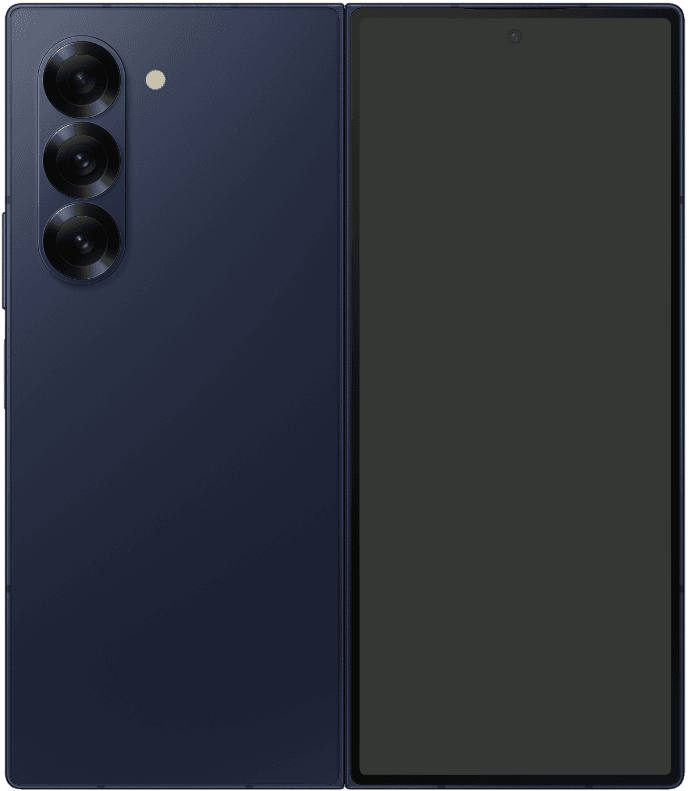
Samsung Galaxy Fold 7: Foldable Innovation, Hardware Upgrades, and Design Evolution
Explore Samsung Galaxy Fold 7 foldable innovation, zero-gap hinge mechanics, creaseless display technology, and executive multitasking.