
Robert Redford: The Definitive Story of Hollywood Golden Visionary and Sundance Legend
“Explore the monumental life of Robert Redford, from Butch Cassidy and The Sting to his Oscar-winning direction in Ordinary People and the Sundance revolution.”
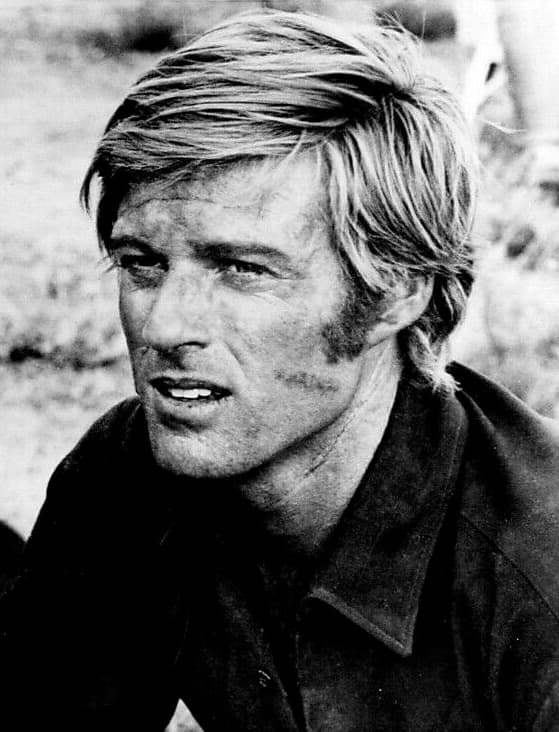
The Golden Visionary of American Independent Cinema
Few individuals in the history of motion pictures have exerted as profound and transformative an influence across the artistic, institutional, and commercial landscapes of world cinema as Robert Redford. Renowned initially as the quintessential American golden boy whose piercing charisma and understated acting anchored iconic twentieth-century classics, Redford deliberately subverted conventional Hollywood stardom to champion independent cinematic storytelling. Discerning cinephiles analyzing the architects of enduring cinematic craft frequently draw parallels between his pioneering stewardship and the classic authority examined in our retrospective of the inimitable voice and cinema mastery of morgan freeman, where moral dignity and storytelling command the screen.
Redford journey represents a relentless rebellion against studio complacency. Rather than merely basking in the lucrative privileges of leading-man idolization, he channeled his prestige and financial resources into establishing institutional platforms that discovered, funded, and nurtured generations of visionary auteurs. His legacy is fundamentally double-edged: an extraordinary catalog of Academy Award-winning acting and directorial achievements, coupled with the creation of the Sundance Film Festival—the definitive launchpad for contemporary independent film.
The Genesis of Butch Cassidy and Cinematic Counterculture
The catalytic breakthrough that elevated Robert Redford into global superstardom occurred in 1969 with George Roy Hill revisionist western Butch Cassidy and the Sundance Kid. Paired opposite Paul Newman, Redford brought a brooding, laconic counterweight to Newman infectious irreverence, creating an electric comedic and dramatic chemistry that permanently redefined the cinematic buddy dynamic. The film witty, melancholy farewell to the mythical American frontier struck an immediate chord with countercultural audiences, cementing Redford as a generational screen icon.
Their legendary partnership was rekindled in 1973 with The Sting, a Depression-era caper masterpiece that dominated the global box office and captured seven Academy Awards, including Best Picture. In an era dominated by gritty urban anti-heroes, Redford maintained an magnetic aura of classic screen elegance while tackling complex, politically charged dramas such as Sydney Pollack romance The Way We Were and Alan J. Pakula investigative landmark All the President Men, portraying journalist Bob Woodward during the Watergate scandal with clinical dramatic urgency.
Directorial Mastery and Academy Award Triumph in Ordinary People
In 1980, Robert Redford made a historic leap behind the camera with his directorial debut, Ordinary People, a searing, intimate examination of suburban familial grief and suppressed emotional trauma following a tragic drowning accident. Rejecting visual ostentation in favor of surgical psychological depth, Redford elicited devastating, career-defining performances from Donald Sutherland, Mary Tyler Moore, and Timothy Hutton.
The film achieved critical and commercial reverence, triumphing over Martin Scorsese Raging Bull to win four Academy Awards, including Best Director and Best Picture. Redford directorial triumph established him as an auteur of extraordinary emotional sensitivity, an artist capable of dismantling the facade of upper-middle-class domestic composure to expose the raw, fragile humanity pulsing beneath the surface.
The Sundance Revolution: Building an Independent Sanctuary
Beyond his formidable accomplishments on set, Robert Redford most enduring gift to the arts was the founding of the Sundance Institute and the Sundance Film Festival nestled in the mountains of Utah. Conceived as a non-profit sanctuary where emerging storytellers could take creative risks free from corporate studio interference, Sundance transformed the global film distribution model, launching the careers of iconic directors including Quentin Tarantino, Steven Soderbergh, Paul Thomas Anderson, and Darren Aronofsky.
Through four decades of institutional dedication, Redford protected independent voices, promoted environmental documentary filmmaking, and championed diverse cultural perspectives long before mainstream Hollywood recognized their vital importance. Combining uncompromising artistic courage, intellectual independence, and profound human generosity, Robert Redford remains the definitive golden visionary of American cinema—a giant whose enduring contributions continue to inspire generations of storytellers worldwide.

Julian Vance-Moreau
Executive Editor-at-Large covering central bank bullion, high-horology, and sovereign wealth portfolios across Zurich, London, and Dubai.
Related Intelligence in Features & Cover Stories
View Category →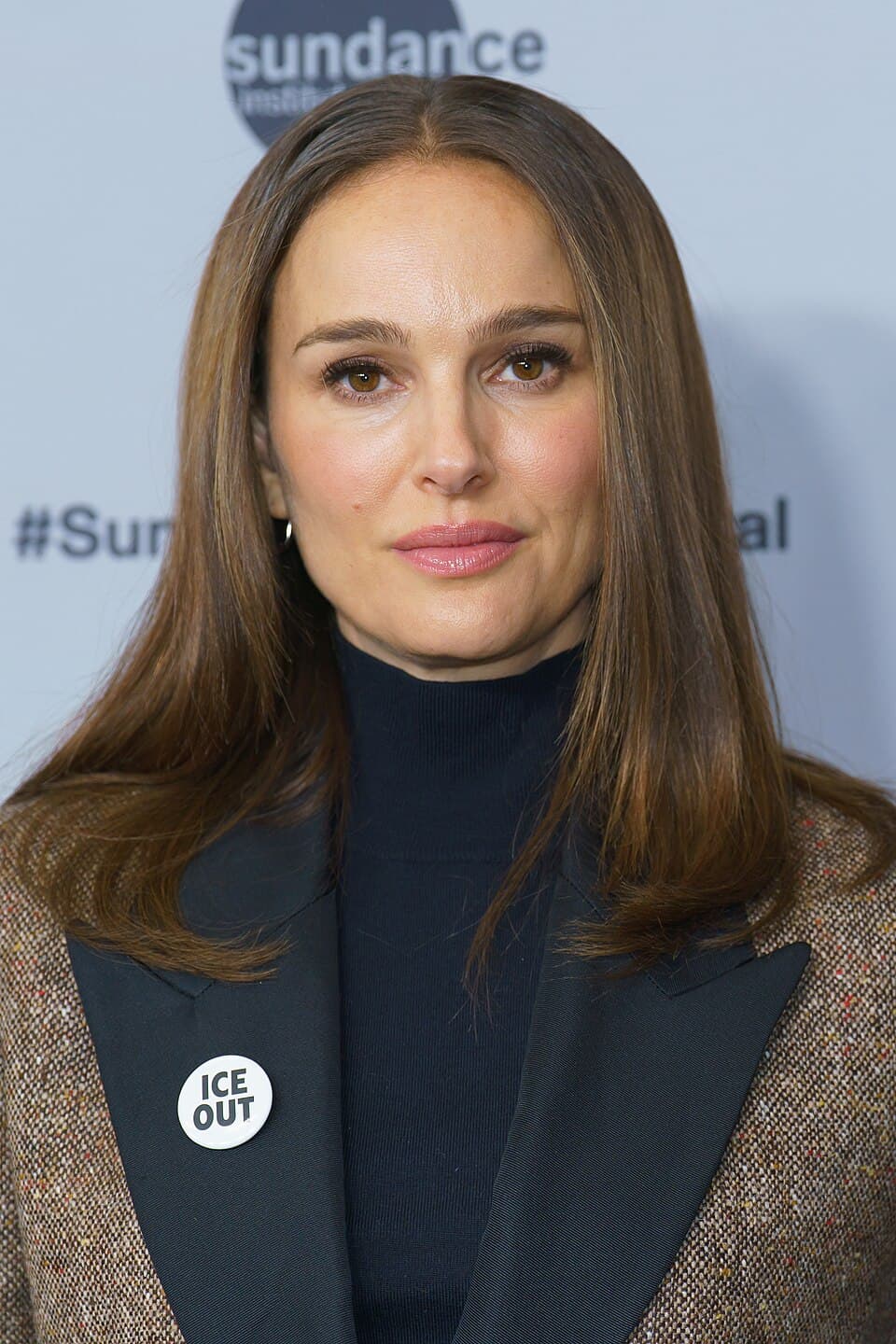
Natalie Portman Movies: From Independent Masterpieces to Global Blockbusters
Explore the definitive guide to Natalie Portman movies, from Leon and Star Wars to Black Swan, Jackie, and May December.
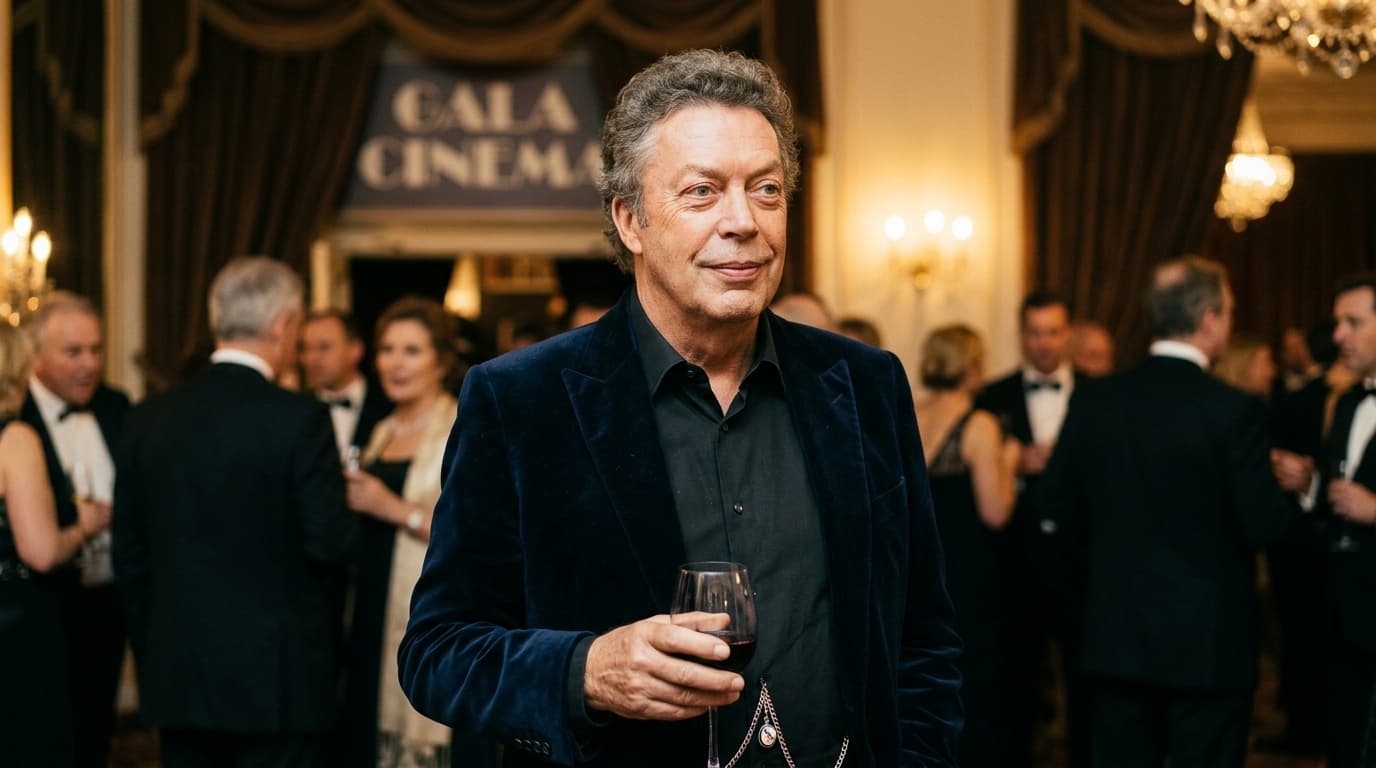
The Inimitable Legacy of Tim Curry: Iconic Roles, Stage Mastery, and Pop Culture Immortality
Explore the legendary career of Tim Curry, from Rocky Horror and Pennywise in IT to Clue and timeless Broadway theatrical brilliance.
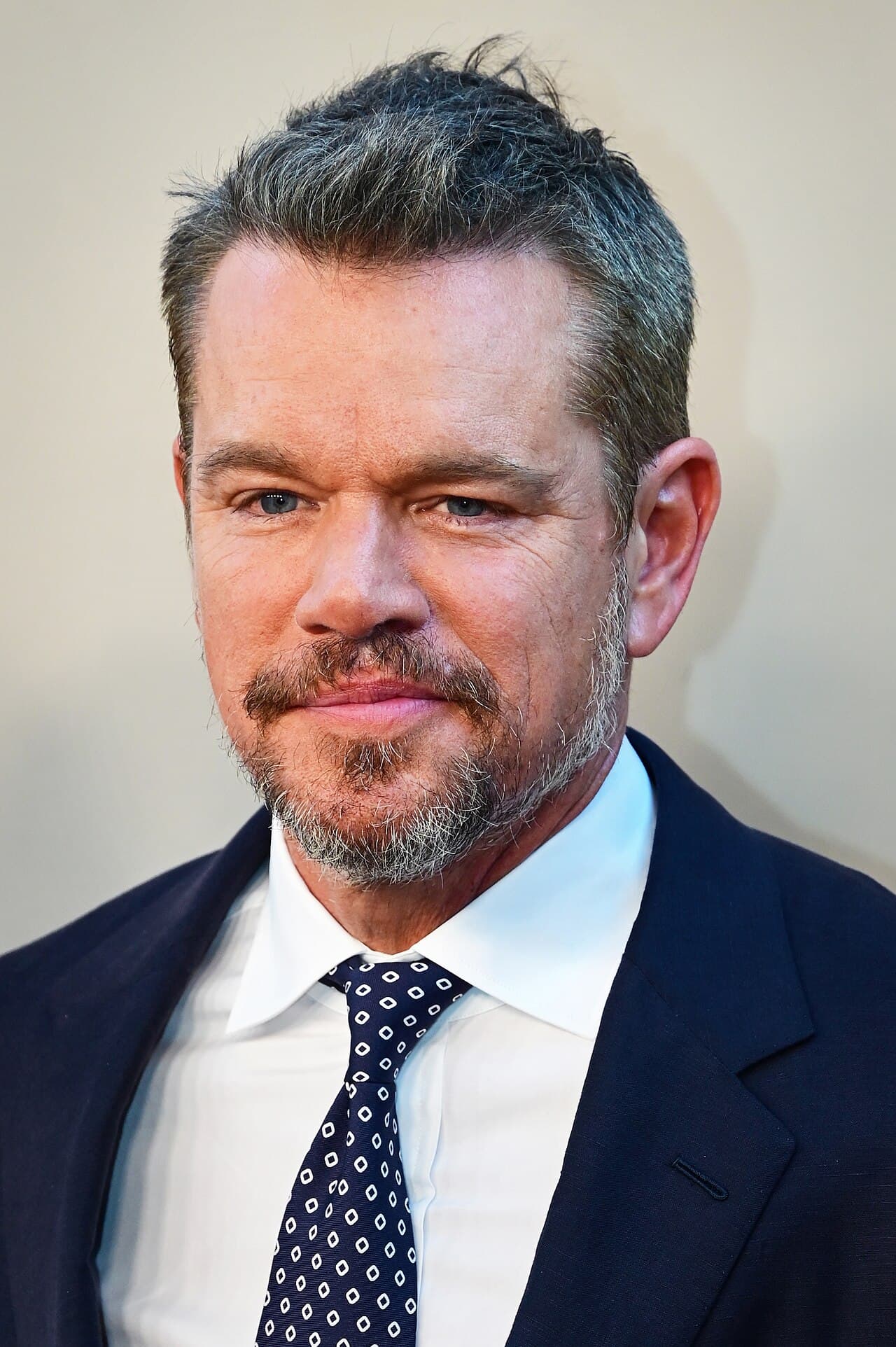
The Enduring Artistry of Matt Damon: Screenwriting Brilliance and Modern Blockbusters
Explore the prolific career of Matt Damon, from his Oscar-winning script in Good Will Hunting and Bourne action revolution to Nolan epics and creative independence.