
Morgan Freeman at His Prime: Age, Wisdom, and Cinematic Longevity
“Explore Morgan Freeman age, late-blooming Hollywood breakthrough, The Shawshank Redemption, Academy Award triumphs, and philosophical legacy.”
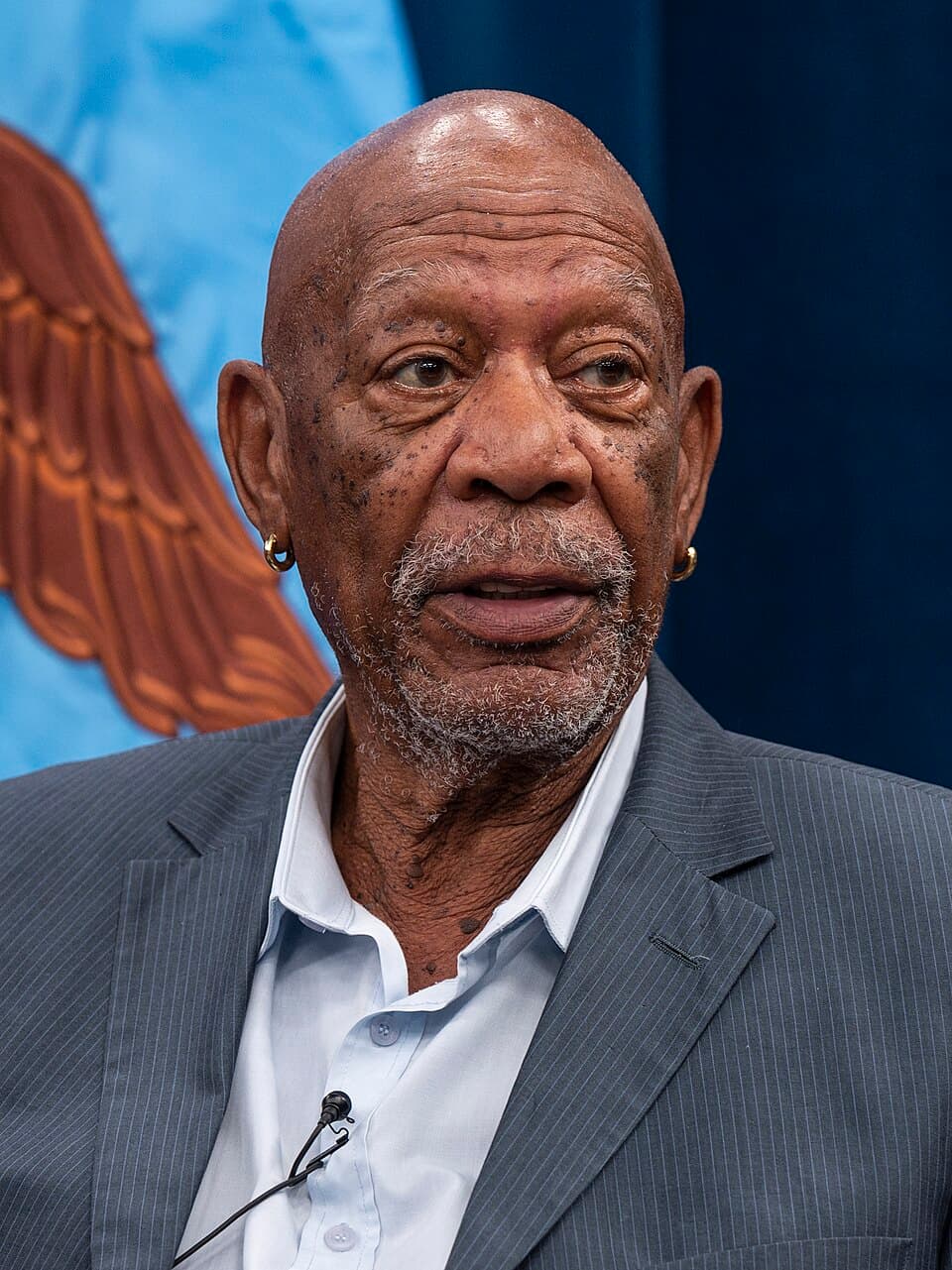
Few figures in the history of global cinema command the reverent stillness, profound moral authority, and soothing resonance of Morgan Freeman. With a baritone voice that has become synonymous with divine wisdom, philosophical depth, and enduring human dignity, his presence on screen transforms ordinary narratives into timeless modern parables. Recurring public interest regarding Morgan Freeman age reflects far more than curiosity about a calendar number; it celebrates an extraordinary artistic journey that blossomed late, redefined Hollywood stardom, and established an immortal benchmark for cinematic longevity.
The Formative Crucible: The Patience of Late-Blooming Stardom
Born on June 1, 1937, in Memphis, Tennessee, Morgan Freeman navigated a long, disciplined path before achieving widespread cinematic recognition. His early creative aspirations were forged through military service in the United States Air Force and decades of rigorous stage acting in New York theater productions, cultivating the inimitable voice and cinema mastery that would define modern dramatic narration. Unlike contemporary movie stars manufactured through sudden viral breakthroughs in their early twenties, Freeman labored with humble persistence for decades, honing an impeccable vocal discipline and grounded physical stillness that can only be cultivated through lifetime dedication to dramatic craft.
His breakthrough into the mainstream arrived when he was nearly fifty years old, delivering an electrifying, Oscar-nominated performance as Fast Black in the 1987 drama Street Smart. The role was a visceral revelation, proving to studio executives that his mature gaze and controlled intensity could command the screen with a ferocity that overshadowed conventional leading men, sharing a legendary screen caliber with giants celebrated in our analysis of iconic Denzel Washington movies. Freeman demonstrated that true artistic mastery does not expire with youth; rather, life experience, patience, and seasoned wisdom provide the richest foundation for enduring dramatic authority.
Driving Miss Daisy and Unforgiven: Quiet Dignity and Frontier Morality
The late 1980s and early 1990s cemented Freeman as an indispensable anchor of major American cinema. In Driving Miss Daisy, his portrayal of Hoke Colburn opposite Jessica Tandy navigated the complex, racially fraught landscape of the American South with immense warmth, quiet dignity, and razor-sharp emotional intelligence. The performance earned him another Academy Award nomination and established his signature ability to convey deep moral righteousness without sanctimonious posturing.
In Clint Eastwood's revisionist western masterpiece Unforgiven, Freeman's portrayal of Ned Logan brought poignant gravity to the harrowing realities of frontier violence. His chemistry with Eastwood anchored the film's philosophical meditation on guilt, mortality, and the heavy price of retribution. Freeman proved that his understated performance style could provide the vital emotional and moral compass for the most acclaimed cinematic achievements of the era.
The Shawshank Redemption: Red Redding and the Voice of Hope
In 1994, Freeman delivered the performance that permanently enshrined him in the pantheon of global cinema with Frank Darabont's The Shawshank Redemption. Portraying Ellis Boyd 'Red' Redding, a weathered lifer inside the grim walls of Shawshank prison, Freeman constructed a heartbreakingly authentic study of institutionalization, weary cynicism, and the terrifying fragility of hope.
His iconic voiceover narration throughout the film transformed Stephen King's novella into an uplifting modern epic about the resilience of the human soul. Every measured pause, wry reflection, and deeply felt emotional confession resonated with universal truth. Consistently ranked by global audiences among the greatest motion pictures ever created, The Shawshank Redemption stands as a timeless monument to Freeman's ability to touch the deepest chords of the human experience.
Million Dollar Baby: The Consummate Academy Award Triumph
Freeman's lifelong pursuit of dramatic excellence achieved its formal crowning glory in 2004 with Clint Eastwood's boxing drama Million Dollar Baby. Portraying Eddie 'Scrap-Iron' Dupris, an aged, half-blind former prizefighter maintaining a grimy gym while harboring unhealed wounds from the past, Freeman delivered a performance of sublime emotional economy.
His nuanced portrayal swept the awards circuit, earning him the Academy Award for Best Supporting Actress. The triumph was celebrated throughout the entertainment industry as a richly deserved coronation for an artist who had elevated dozens of films through his quiet magnificence. Playing characters who have weathered profound hardship yet maintain fierce loyalty, Freeman brought an undeniable authenticity that resonated far beyond the confines of the boxing ring.
The Voice of an Era: Philosophical Leadership and Cultural Immortality
Beyond traditional narrative features, Freeman's unmistakable voice has guided millions through the wonders of the cosmos, natural history, and philosophical theology. Narrating acclaimed documentaries like March of the Penguins and hosting Through the Wormhole with Morgan Freeman, his cadence instills curiosity, wonder, and profound peace in listeners worldwide.
Approaching his late eighties with boundless vitality and unyielding creative energy, Morgan Freeman remains an indelible treasure of modern culture. His enduring career serves as an inspiring testament to the power of patience, moral conviction, and artistic integrity, proving that true greatness is never bound by age, but forever illuminated by the enduring light of the human spirit.

Julian Vance-Moreau
Executive Editor-at-Large covering central bank bullion, high-horology, and sovereign wealth portfolios across Zurich, London, and Dubai.
Related Intelligence in Culture & Lifestyle
View Category →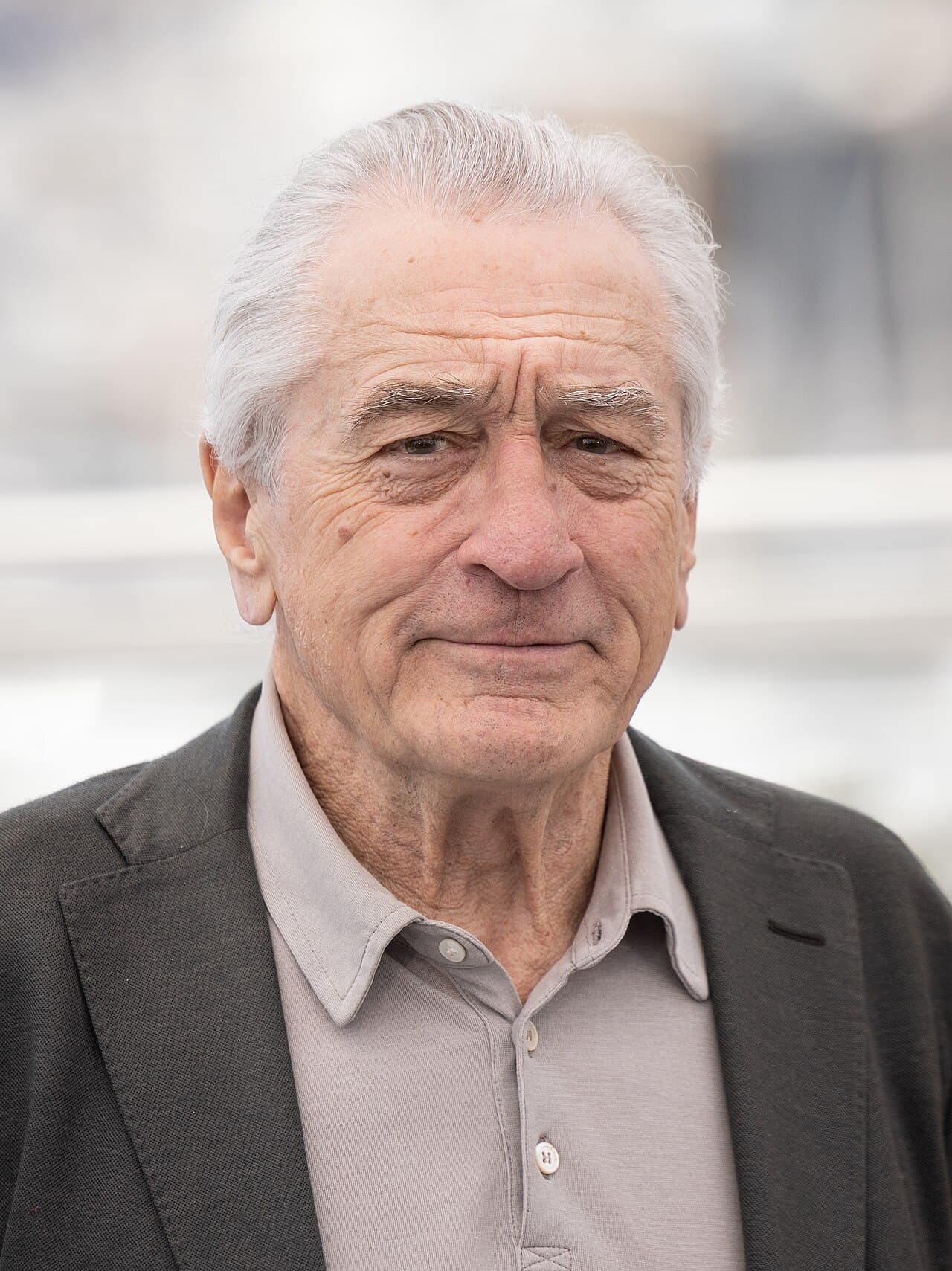
Inside the Life and Legacy of Robert De Niro and His Children
Explore the private family life of Robert De Niro and his seven children, spanning fifty-two years of fatherhood, individual passions, and enduring parental wisdom.
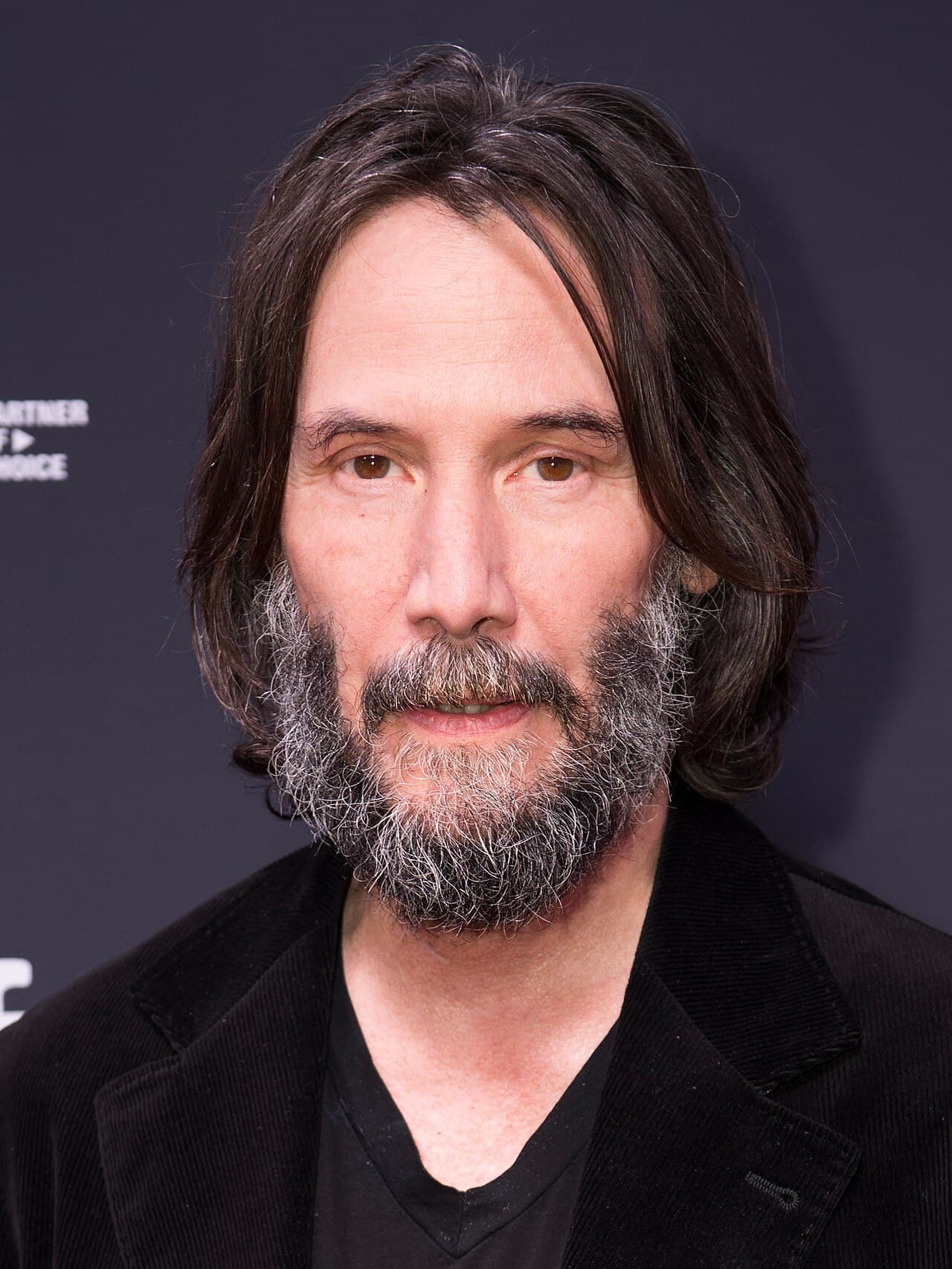
How Old Is Keanu Reeves? The Ageless Hollywood Star and Action Cinema Legend
Discover how old Keanu Reeves is, his remarkable four-decade cinema career, relentless tactical stunt training in John Wick, and his reputation as Hollywood’s ultimate gentleman.

How Old Is Anne Hathaway? Timeless Charm and Acclaimed Versatility
Discover how old is Anne Hathaway, exploring her iconic roles in The Princess Diaries, Les Miserables, Interstellar, and her mature career.